

Dental implants have revolutionized the field of dentistry, providing a durable and effective solution for individuals suffering from tooth loss. As one of the most advanced options available, dental implants mimic the natural structure of teeth, offering both aesthetic and functional benefits. This innovative treatment not only enhances one’s smile but also contributes to overall oral health by preventing the bone loss that often follows tooth extraction.
In recent years, advancements in technology and techniques have made dental implants more accessible and successful than ever before. With a success rate exceeding 95%, they are now a preferred choice among both dental professionals and patients. This article will delve into the various types of dental implants, the procedure involved, and the long-term benefits, helping readers make informed decisions about their dental health and restoration options.
Types of Dental Implants
Dental implants come in various types, each designed to meet different needs based on the specific circumstances of the patient. The most common types are endosteal and subperiosteal implants. Endosteal implants, which are placed directly into the jawbone, are the most popular option and are made of materials like titanium that integrate well with bone. In contrast, subperiosteal implants are positioned above the jawbone but below the gum tissue and are ideal for patients with insufficient bone height. Both options can restore functionality and aesthetics, providing a long-lasting solution for tooth loss. For comprehensive care, seeking the Top Dental Implants in Noblesville can ensure you receive tailored treatment according to your individual needs.
The Implant Procedure
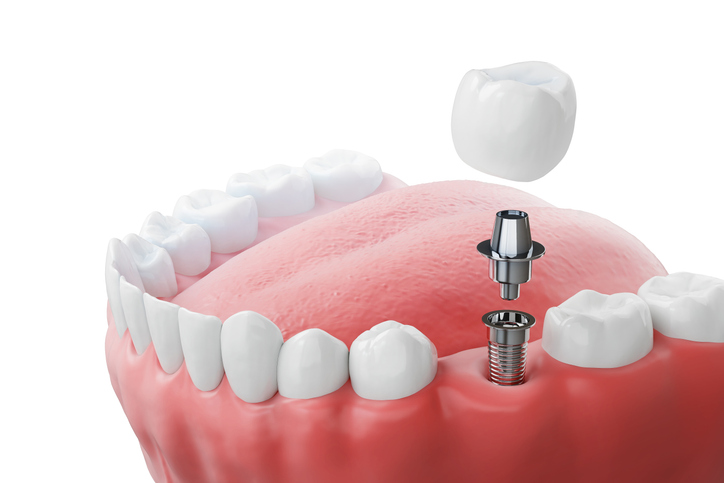
The dental implant procedure typically involves multiple stages, starting with a thorough consultation and imaging to evaluate the jawbone’s condition. Once the treatment plan is established, the first step involves placing the implant into the jawbone, which is done under local anesthesia. After the implant is securely positioned, osseointegration occurs, where the bone grows around the implant. This process can take several months, during which time a temporary restoration may be provided. Finally, once the implant has successfully fused with the bone, an abutment is placed to hold the crown, resulting in a natural-looking replacement tooth. Regular follow-up appointments will help ensure the long-term success of the dental implants.
In summary, dental implants represent a remarkable innovation in restorative dentistry, offering a reliable solution to the challenges posed by tooth loss. Not only do they restore a person’s ability to chew and speak comfortably, but they also enhance confidence through the recreation of a natural smile. With a rigorous understanding of the types of implants and the meticulous procedure involved, patients can approach this transformative treatment with assurance. The advancements in dental technology have ensured that implants are not only successful but also tailored to meet the unique needs of each individual, making it an investment in both immediate oral health and long-term well-being. Ultimately, for those considering their options after tooth loss, dental implants stand out as a proactive step towards reclaiming a complete and vibrant life.