
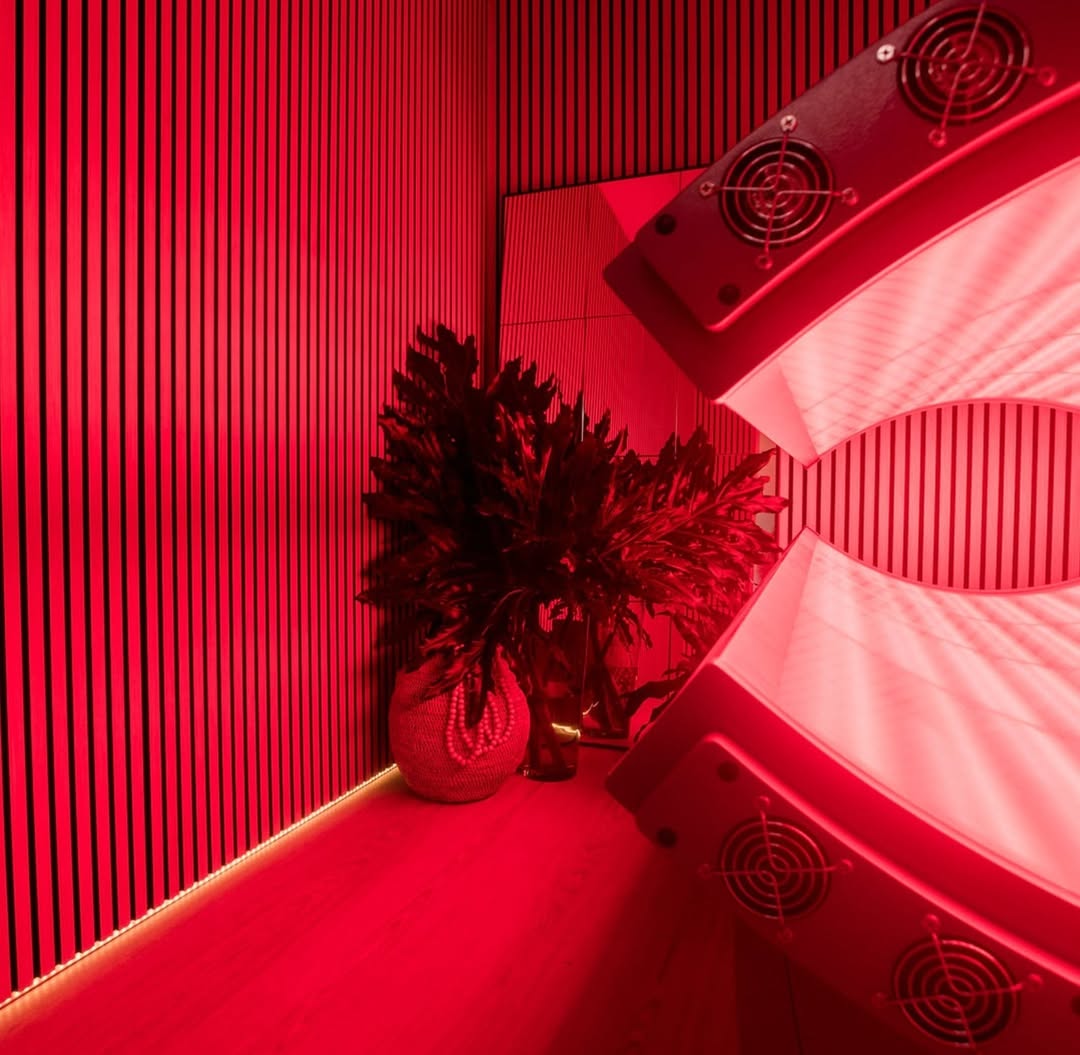
In recent years, light therapy devices have gained significant popularity as innovative solutions for various health and wellness concerns. Harnessing the power of specific wavelengths of light, these devices offer a non-invasive approach to enhance mood, relieve pain, and promote skin rejuvenation. From seasonal affective disorder (SAD) to acne treatment, light therapy is making waves in the fields of psychology, dermatology, and general wellness, captivating both professionals and consumers alike.
This article explores the science behind light therapy devices, their applications, and the potential benefits they offer. By understanding how different types of light impact our bodies, individuals can make informed decisions about incorporating these tools into their daily routines. Whether you’re considering a light therapy lamp for depression or a handheld device for skin health, this comprehensive guide will provide valuable insights into the efficacy and safety of light therapy options available today.
The Mechanism of Light Therapy
Light therapy operates on the principle that exposure to specific wavelengths of light can stimulate biological processes in the body. For instance, blue light is known to influence the production of serotonin, a neurotransmitter that regulates mood, while red and near-infrared light can accelerate healing and reduce inflammation at a cellular level. By penetrating the skin or reaching the retina, these targeted wavelengths can promote various therapeutic benefits. As researchers continue to uncover the biological impacts of different lights, the versatility of Light Therapy Devices becomes increasingly clear, offering solutions ranging from anxiety relief to skin rejuvenation.
Applications in Health and Wellness
The applications of light therapy are expanding, with devices tailored to address a myriad of health issues. In dermatology, light therapy is frequently employed to treat acne, psoriasis, and other skin conditions, harnessing blue and red light to reduce inflammation and promote healing. In psychology, particularly for those suffering from seasonal affective disorder (SAD) and other mood-related disorders, light therapy provides a non-pharmaceutical option to enhance emotional well-being. As the technology evolves, consumers are increasingly drawn to these non-invasive treatments, eager to incorporate them into their health routines for holistic wellness.
In conclusion, light therapy devices present an exciting frontier in the realm of health and wellness, offering a diverse range of applications that cater to both physical and mental well-being. Their non-invasive nature, combined with the growing body of research validating their effectiveness, positions them as valuable tools for individuals seeking to enhance their quality of life. As awareness of the benefits of specific light wavelengths continues to expand, more people are likely to explore light therapy as a viable, complementary approach to traditional treatments. Whether aiming to uplift mood, alleviate skin concerns, or support recovery, light therapy devices are ushering in a new era of holistic care that harmonizes modern science with the timeless quest for wellness.